
Minimum order amount with 'Shipping by Courier' € 9.90

Summer may be over, but the skin often continues to "carry" its scars: sun, salt, chlorine, high temperatures and more frequent exposure to external factors can leave it drier, duller or more sensitive.
As autumn approaches, temperatures change, humidity drops, and daily routines return to a more consistent pace. This is a good time to adjust your skincare routine, not with a lot of changes at once, but with small, correct steps.
Your fall routine doesn't have to be complicated. It needs more emphasis on hydration, strengthening the skin barrier, and gradually reintroducing active ingredients, like retinol or exfoliating acids, if you limited them in the summer.
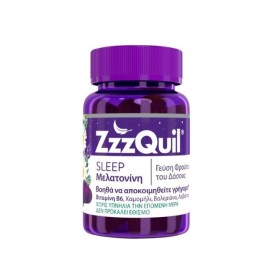
You open your eyes, look at the clock, and it's again around 3 a.m. If this happens to you often, it's natural to wonder if there's a specific reason.
In most cases, the answer lies not in the “magic” hour of 3 a.m., but in the way sleep works throughout the night. Sleep is not the same from start to finish. It goes through cycles, alternating between deeper and lighter stages.
As morning approaches, deep sleep decreases, REM periods become longer, and brief awakenings become more likely. For many people, this may coincide with the early morning hours, such as 3 or 4 a.m.
After summer, many people notice that their skin has more pronounced spots, discolorations or dark marks. Sun exposure, acne, micro-irritations or hormonal factors can make hyperpigmentation more visible, especially on the face, cheekbones, forehead, upper lip, hands and décolleté.
The important thing to remember is that blemishes don't disappear overnight. They require a consistent routine, the right ingredients, daily sun protection, and, in some cases, a dermatological evaluation.
Let's look at the main types of discoloration, what ingredients are often used in brightening and even-toned products, and when you should seek the advice of a specialist.